


G8X M3/M4 Cooling Upgrades: Radiator & Oil Cooler Guide
The S58 is a genuinely impressive engine stock, but "stock" and "track-ready" are two different conversations. BMW gave the G80 M3, G82 M4, and G87 M2 a six-piece cooling system — a main radiator, two auxiliary radiators in the front corners, plus dedicated coolers for engine oil and transmission fluid — and on the street that setup is more than adequate. Add a few track days, a tune, or a hot summer canyon run and it starts falling behind. This is a practical rundown of where G8X owners actually see cooling problems, which upgrades address them, and what to watch for during install.

Why the S58 Runs Hot, Even Stock
Unlike the outgoing S55, the S58 uses separate, dedicated coolers for engine oil and transmission fluid instead of sharing duty across fewer components — that's more precise temperature control on paper, but it also means more individual coolers that can get overwhelmed. The factory auxiliary radiators use thin cores and plastic end tanks that are fine for daily driving heat loads but become the weak link once you're lapping or running a tune that adds real power. Once coolant temps climb past BMW's safe threshold, the ECU pulls timing and eventually forces limp mode — not a great way to end a track session.
Oil temperature matters just as much. Target oil temp for sustained track use is generally in the 220–250°F range; below that you get deposit buildup, above it you're degrading the oil's film strength and risking accelerated wear. Stock cooling can hold that line for a session or two before it starts drifting upward.
Auxiliary Radiator Upgrades
This is the highest-value upgrade for anyone doing repeat track days. Swapping the OE plastic-tank aux radiators for an all-aluminum unit is a direct, drop-in fix with no tuning or modification required.
- CSF High-Performance Auxiliary Radiator — TIG-welded aluminum construction with a larger core than the OE unit and stronger mounting brackets than the factory plastic pods. A straightforward first upgrade for anyone seeing coolant temps creep on track.
- Wagner Tuning Radiator Kit — a more comprehensive setup if you're chasing every last degree, particularly on a car that's already tuned and making more heat than stock.
Both are cataloged in our G8X M3/M4 cooling collection, including the CSF Auxiliary Radiator specifically.
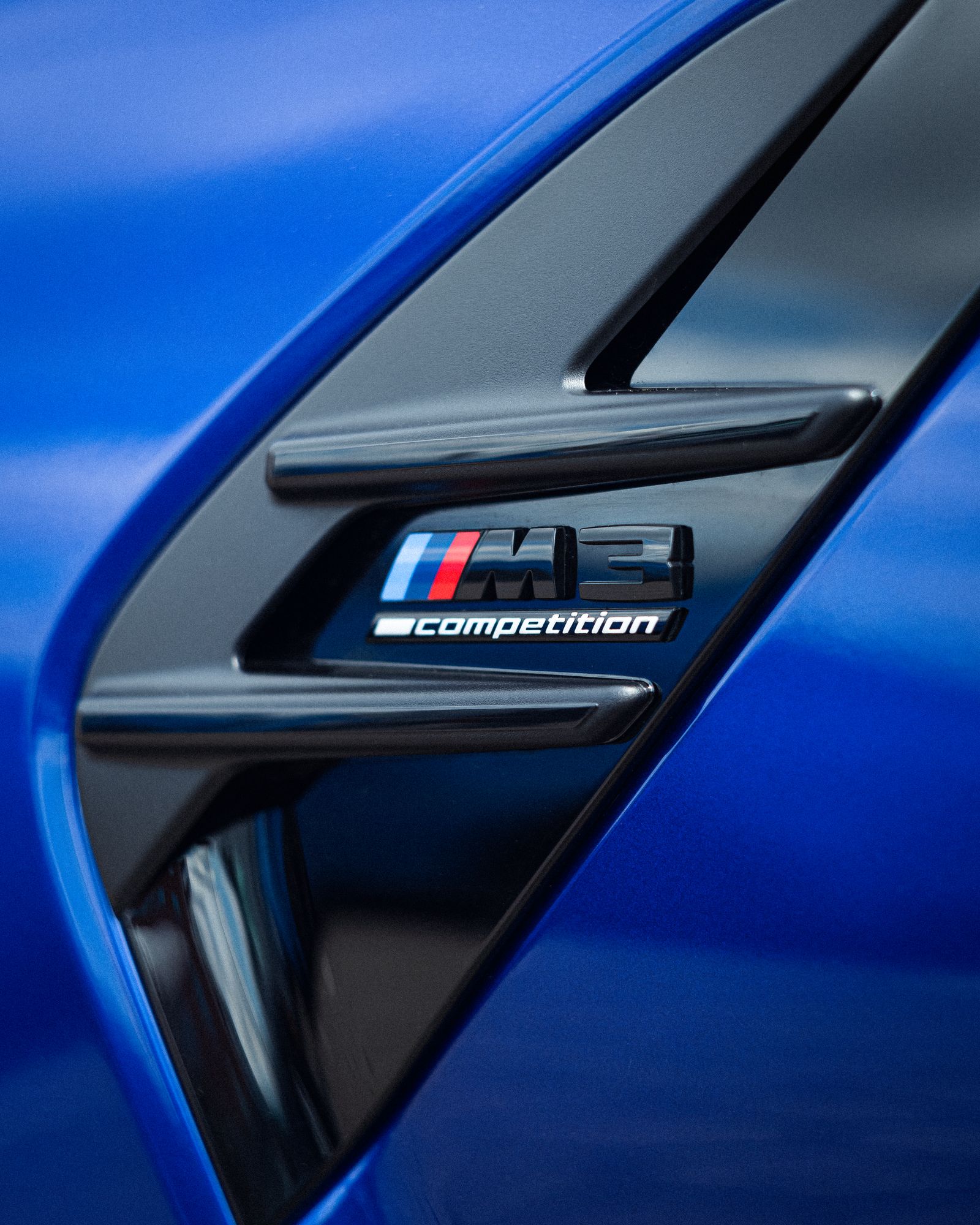
Oil & Transmission Cooling: Where G8X Owners See the Biggest Gains
If you only upgrade one thing before your next track day, make it the oil cooler. A few options worth knowing:
- do88 Engine Oil Cooler — a bar-and-plate core replacement for the factory unit, built to handle sustained high oil temps better than the OE tube-and-fin design.
- Mishimoto Oil Cooler — a direct-fit performance option with a larger active cooling area than stock, a good middle-ground upgrade for street/track cars.
- CSF Transmission Oil Cooler with Rock Guard — drop-in fit at the OE location, no modification needed, and the rock guard is worth having if you run track days with debris on the racing line.
All three are in the G8X M3/M4 parts collection, alongside the rest of our cooling lineup.
Install Notes: Common Mistakes to Avoid
These are drop-in parts, but drop-in doesn't mean foolproof. A few things that trip people up:
- Skipping a proper coolant bleed. Air pockets in the system after an aux radiator swap will show up as inconsistent temp readings and can mask whether the new hardware is actually working. Follow a full bleed procedure, not just a top-off.
- Reusing worn hose clamps and O-rings. They're cheap relative to the labor involved — replace them while everything's already apart rather than dealing with a seep later.
- Guessing on fastener torque. Bracket bolts, banjo fittings, and cooler line fittings all have specific torque values in BMW's factory service data. Don't eyeball it, especially on oil and transmission cooler lines where over-torquing a banjo bolt can crush the sealing washer.
- Ignoring bumper support clearance. Aux radiator upgrades sometimes need minor trimming or rerouting of brackets depending on the exact kit — read the instructions fully before you're elbow-deep in the front bumper.
- Not verifying fitment against your exact build date. G80/G82 cooling hardware changed slightly across model years; confirm the kit matches your car before ordering.
Track Day Cooling Checklist
- Check coolant level and condition before every track day, not just once a season
- Watch oil temp gauges during your out-lap — don't push past 3,000 RPM until oil temp is at least 170°F
- Note where in a session your temps start climbing — that tells you whether you need aux radiators, an oil cooler, or both
- Run a thicker oil (5W-40 territory) if you're seeing sustained 240°F+ oil temps in heavy circuit use
- Inspect radiator brackets and hose clamps after the first few heat cycles post-install
FAQ
Do I need aux radiators and an oil cooler, or just one?
Depends on where your temps actually climb. Street driving and occasional autocross rarely need both. Repeat track days or a tuned car pushing real power usually benefit from doing both together, since coolant and oil temps rise in tandem under sustained load.
Are these upgrades needed for a daily-driven G8X?
No. If you're not tracking the car or running a tune, the factory cooling system is sized correctly for street use. This is a track-and-tuned-car upgrade path.
Will an aux radiator upgrade affect my warranty?
A bolt-on cooling upgrade is generally lower-risk than engine or ECU modifications, but any aftermarket part can complicate a warranty claim depending on your dealer. Keep your OE parts if you want the option to revert.
How much of a temperature difference should I expect?
Results vary by climate, driving style, and track, but owners running upgraded aux radiators and oil coolers commonly report meaningfully more stable temps across a full 20-30 minute session rather than a steady climb toward limp mode.
Ready to stop watching the temp gauge climb? Browse the full G8X M3/M4 cooling collection at Iconic Garage.
Sources: CSF's G8X M3/M4/M2 auxiliary radiator release thread on Bimmerpost; BMW S58 Engine Engineering Upgrades Explained.