


F8X M3/M4 Brake Upgrade Guide: Pads, Rotors & BBK
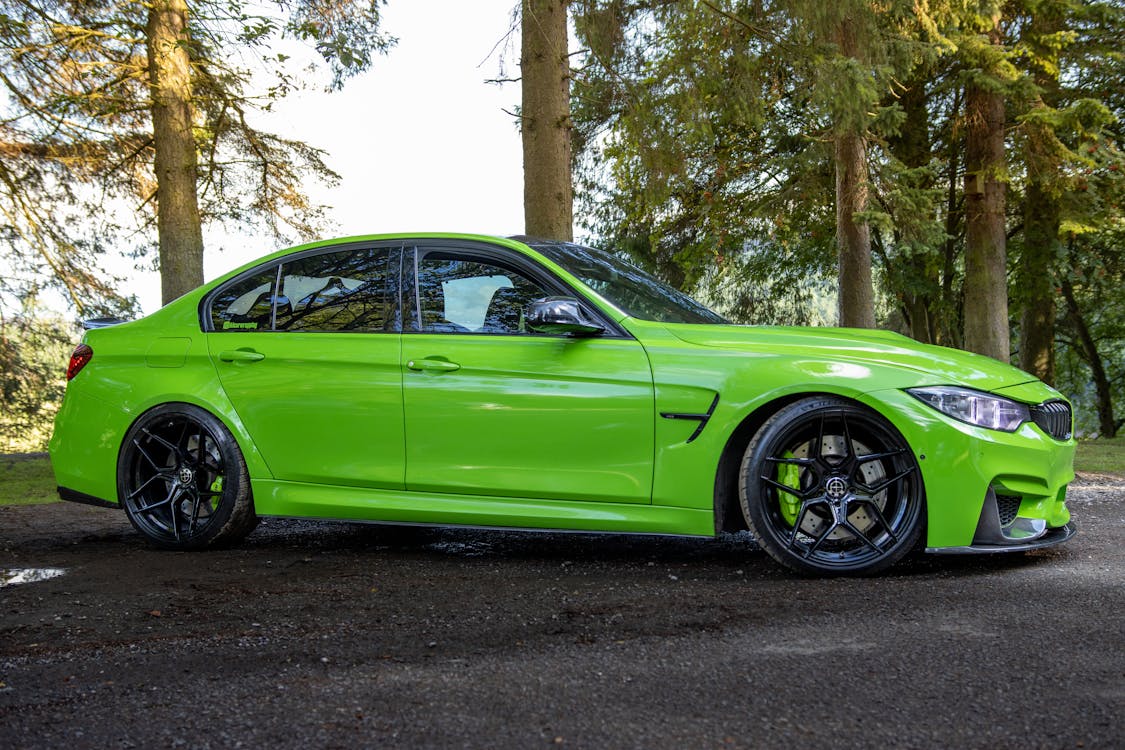
The S55 twin-turbo six is the best thing that happened to the F80 M3 and F82/F83 M4, but it also added real weight and real speed over the outgoing E9X. BMW's factory M Compound brakes handle daily driving and the occasional spirited canyon run just fine — they start showing their limits once you're adding grippier street tires, running repeat track days, or leaning on a tune that pushes the car harder and later into every braking zone. This is a practical look at how F8X owners actually upgrade their brakes: pads and rotors first, when a big brake kit is worth the money, and what trips people up during install.
Pads and Rotors First: The Upgrade Most F8X Owners Actually Need
Before anyone talks about a big brake kit, it's worth saying plainly: a pad and rotor refresh solves most F8X braking complaints. Factory pads are tuned for a broad compromise — quiet, low-dust, fine in the rain — which means they're not the compound you want once you're pushing into higher brake temperatures on track or in aggressive street driving.
- DBA Street Series pads (DB15302SP) — a street-focused upgrade with better bite and more consistent feel than OE pads, without the noise or cold-bite tradeoffs of a full track compound.
- EBC Redstuff pads (front DP32130C / rear DP32133C) — low-dust and street-friendly, a sensible daily-driver upgrade for owners who just want better pedal feel.
- EBC Yellowstuff rear pads (DP42133R) — an aramid-fiber compound that comes in strong from cold, useful if you're pairing an aggressive front pad with a rear that still needs to work predictably in traffic.
- Brembo RE10 pads (2416.18.RE10 for F8X, or 2434.17.RE10 rear for F82 M4) — a genuine street/track dual-purpose compound if you're splitting time between commuting and lapping days.
All of these are cataloged in our F8X M3/M4 brakes collection, alongside stainless lines like EBC's braided kit (BLA7578-4L) — a cheap, worthwhile add any time the calipers are already off the car, since a firmer pedal makes every other brake upgrade feel more effective.
Rotors: OEM-Style Replacement vs. Two-Piece Upgrades
If your rotors are warped, cracked, or below minimum thickness, you're replacing them regardless of what pad you choose. The decision is really about which rotor construction fits how you drive.
OEM-style one-piece rotors are the simplest path — direct fitment, no bracket changes, and plenty durable for street use and occasional track days. Two-piece rotors, like EBC's Racing SG2 line (SG2F006 front, SG2F020 rear), separate the iron rotor face from an aluminum center hat. That construction sheds unsprung rotational mass, resists warping better under repeated hard braking, and lets the rotor expand independently of the hat as it heats up — which matters more than it sounds like once you're doing back-to-back track sessions rather than a single hot lap.
If you're running an Alcon big brake kit, factory-matched rotor assemblies (like the Alcon DIA2222X018C24L/R front and rear pairs) are the correct replacement path rather than trying to source aftermarket rotors to fit — BBK rotor tolerances are tighter than OE.
Going Big: When a Brake Kit Actually Makes Sense
A big brake kit (BBK) is not a requirement for a fast street F8X. It's worth considering when you've already upgraded pads, rotors, and fluid and you're still fading under sustained track use, or when you're running wheels and tires capable of generating more grip — and therefore more heat — than the stock caliper and rotor package can dissipate.
- Alcon 400x34mm 6-piston front kit (BKF7059Y07) paired with the 380x32mm 4-piston rear kit (BKR6959B07) — a serious street/track setup with significantly more pad area and thermal mass than stock.
- Brembo PISTA front and rear race BBK (3K3.9032A front, 4K3.8013A rear) — built for cars doing real time-attack or endurance track work, not a street-comfort compromise.
- EBC Racing Apollo-4 380mm front BBK (BBK035BLK-1) — a mid-point option for owners who want big-kit heat capacity without going full race-caliper.
The most common complaint we see from BBK installs isn't the brakes themselves — it's wheel fitment. Big calipers need clearance, and some 18–19" wheels that fit fine over stock brakes won't clear a 6-piston kit. Confirm fitment before you order; the F80 M3 forum on Bimmerpost has an active thread on aftermarket pad, rotor, and BBK fitment worth reading if you're on aftermarket wheels already.
Installation Walkthrough: What Actually Changes Under the Wheel
A pad-and-rotor swap is straightforward driveway work. A BBK install is a bigger job — here's the general sequence:
- Remove the wheel and old caliper, then unbolt the factory caliper bracket entirely — BBKs use their own adapter bracket that relocates the caliper to clear the larger rotor.
- Mount the new rotor and bracket, then torque the bracket bolts to spec before hanging the caliper — these bolts see enormous repeated stress and are not a place to guess at torque.
- Connect brake lines (stainless lines if you're upgrading them at the same time) and bleed the system — BBKs with more pistons per caliper need a more thorough bleed sequence than stock to fully purge air from every circuit.
- Bed the new pads in before driving normally — a proper bedding cycle (moderate stops from speed, no full stops while hot) transfers an even pad layer onto the rotor face and is the single biggest factor in how the brakes actually perform afterward.
- Recheck all fasteners after the first heat cycle. Bracket bolts and banjo fittings can settle slightly once everything's been through a full thermal cycle.

Torque Specs and Common Mistakes
BMW's factory spec for F80 M3 wheel bolts is 140 Nm (103 lb-ft), torqued in a crisscross sequence after starting every bolt by hand — worth confirming against your own factory service data before reassembly, and BimmerWorld's wheel stud and nut install guide is a solid reference on proper sequence and technique. Caliper bracket bolts and banjo fittings have their own torque values that vary by kit — don't carry over a number from a different brake job.
- Skipping the bed-in procedure. New pads on new rotors without a proper bedding cycle means uneven pad transfer, and you'll fight pulsation or reduced bite for weeks.
- Mixing pad compounds front-to-rear inconsistently. An aggressive track pad up front paired with a soft street pad in back changes your brake bias in ways that aren't obvious until you're already committed to a corner.
- Reusing crush washers on banjo bolts. They're inexpensive and single-use — reusing one is a common cause of a slow brake fluid leak that shows up weeks later.
- Not checking wheel clearance before ordering a BBK. Measure or confirm fitment first; returning an ill-fitting caliper kit costs more time than the five minutes it takes to check.
- Guessing on torque instead of using a calibrated wrench. Under-torqued bracket bolts can back out under repeated heat cycling; over-torqued ones can crack a bracket or crush a line fitting.
FAQ
Do I need a big brake kit for a street-driven F8X?
No. Most street cars, even ones with occasional track days, do well with upgraded pads, two-piece rotors, and fresh fluid. A BBK earns its keep once you're doing repeat track sessions or running tires that generate more grip than stock brakes can match.
Can I run performance pads on my stock rotors?
Yes, as long as the rotors are within spec and not warped or worn past minimum thickness. Most of the pad upgrades above are designed as direct swaps onto OE-style rotors.
What torque should I use on F8X wheel bolts?
BMW's factory spec is 140 Nm (103 lb-ft) in a crisscross pattern. Confirm against your own service documentation, since spec can vary slightly by wheel and hardware combination.
Will a big brake kit affect ABS or stability control?
A properly matched BBK from a reputable manufacturer is engineered to work within the stock ABS system's parameters. Mismatched master cylinder or proportioning setups are the exception — stick to kits designed specifically for the F8X platform.
Ready to stop fading three laps into every session? Browse the full F8X M3/M4 brakes collection at Iconic Garage, including the Alcon 6-piston front big brake kit and the rest of our F80/F82/F83 parts catalog.
Sources: "Aftermarket Pads and Rotors for F80 M3" — Bimmerpost F80 forum; BimmerWorld BMW Wheel Stud & Nut Install guide.