


E9X M3 Brake Upgrade Guide: Pads, Rotors & BBKs
E9X M3 Brake Upgrade Guide: Pads, Rotors & BBKs
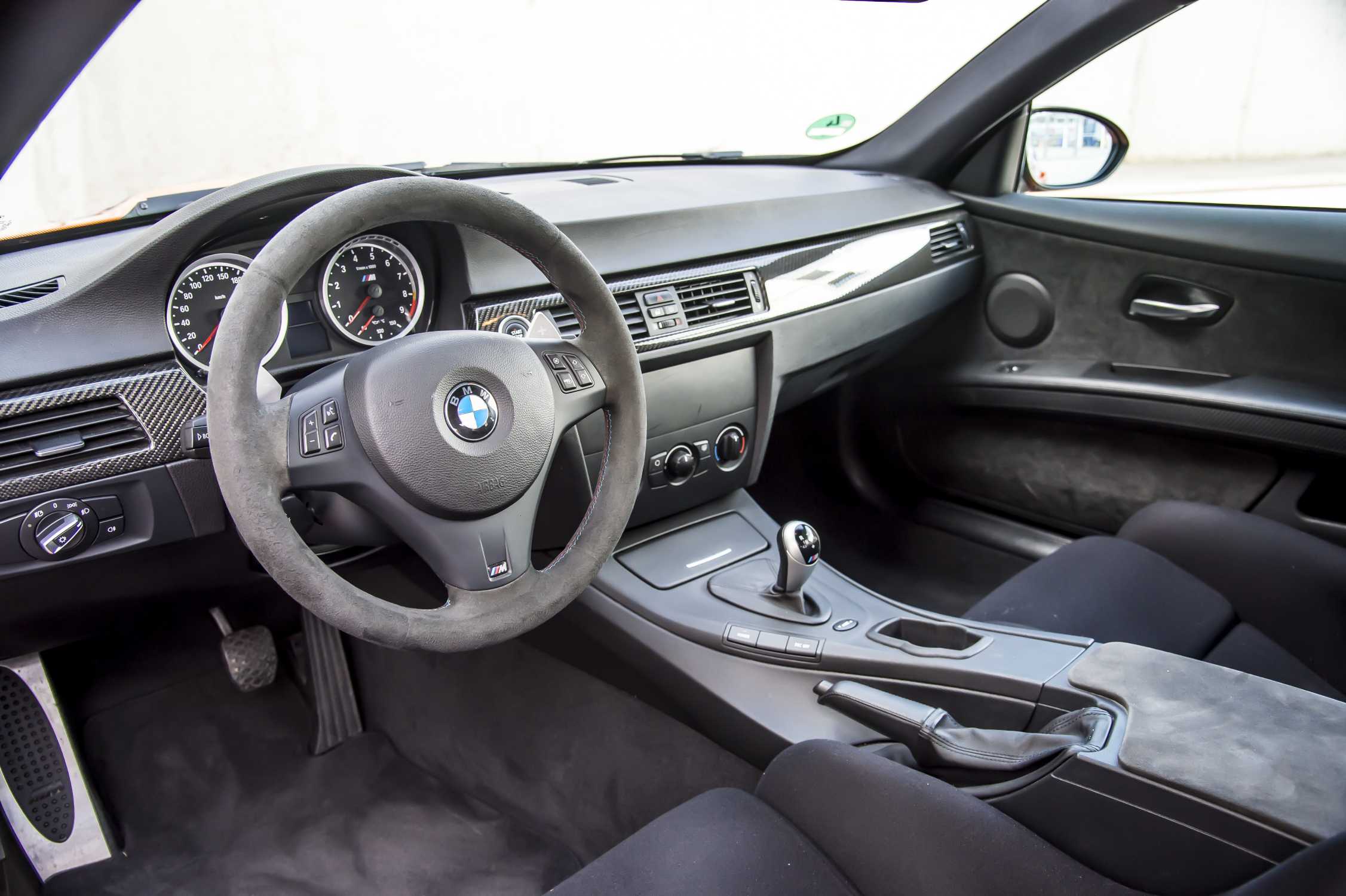
The S65 in your E90, E92, or E93 M3 revs to 8,400 RPM and makes the car feel like it wants to be driven hard. The factory brakes were fine in 2008, but 15+ years and a set of sticky tires later, most owners find the OEM single-piston sliding calipers up front fade fast once you start lapping or driving canyon roads with any real pace. This isn't a knock on BMW's engineering — it's just the reality of running factory pads and rotors well past their design life on a car that's often making more power than it did stock.
This is a practical breakdown of your two upgrade paths — street pad-and-rotor swaps versus a full big brake kit — plus the install details and torque specs that actually matter.
Why the Factory E9X M3 Brakes Fall Short
The E9X M3 left the factory with 360mm front rotors and single-piston floating calipers, which was competitive for the era but has always been the weak link compared to the S65's power delivery. Track day regulars report brake fade within a session or two on stock pads, and even spirited street driving cooks factory rubber lines and pad compounds faster than most owners expect. The rear brakes hold up better simply because they do less work, but the fluid and lines age at the same rate across the whole system.
Before spending money on rotors or a kit, do a real inspection: check rotor thickness against the minimum stamped on the hat, look for pad material below 3mm, and flush the fluid if it's been more than two years. A lot of "brake upgrade" complaints are actually just neglected maintenance.
Street Upgrade Path: Pads and Rotors
If you're daily-driving your E9X M3 or doing the occasional autocross, you don't need a big brake kit. A quality pad and rotor swap gets you most of the improvement for a fraction of the cost and keeps you on factory-fit parts, which matters if you ever want to sell the car to a buyer who doesn't want a kit hanging off it.
- Rotors: DBA Street Series slotted rotors are a direct OEM-fit replacement that resists warping better than stock and clears brake dust faster.
- Street/spirited driving pads: EBC Redstuff pads give a meaningful bite improvement over stock without the dust and noise of a race compound.
- Track-capable street pads: EBC Bluestuff is the step up if you're mixing in occasional track days but still want the car livable on the street.
- Wear sensors: Replace the wear lead sensors any time you do a pad job — they're cheap insurance against a dash warning six months later.
Browse the full range in the E9X M3 brakes collection — it's worth comparing rotor and pad combos side by side before you order, since compound choice changes the feel of the pedal more than most people expect.
Track-Day Path: Big Brake Kits
If you're doing real track days, autocross regularly, or just want a brake pedal that doesn't fade three laps in, a big brake kit (BBK) is the right call. Brembo's GT and race-spec kits for the E9X M3 step up to larger multi-piston calipers and bigger, often two-piece, rotors that shed heat far better than the factory setup.
- Brembo GT BBK (6-piston front, 4-piston rear): the most popular street-to-track option — big enough to matter, still practical for daily use with the right pad compound.
- Brembo Race BBK (6-piston billet, 2-piece rotors): built for dedicated track cars where weight savings and thermal capacity matter more than street manners.
- Wheel clearance: most E9X M3 BBKs need at least an 18-inch wheel to clear the caliper; measure before you buy if you're running anything smaller or an aftermarket wheel with a tight barrel.
See the current lineup, including the Brembo GT BBK 6-piston front kit, in the same brakes collection. A BBK is also the point where it's worth talking to whoever tunes your car — some kits change master cylinder requirements or need a proportioning adjustment.
Installation Walkthrough and Torque Specs
Whether you're doing a simple pad-and-rotor swap or a full BBK install, the sequence is the same: support the car on jack stands, remove the wheel, compress the caliper piston(s) before removing the old pads, swap the hardware, and bed the new pads before you drive normally. For a BBK, add mounting the new caliper bracket to the knuckle and confirming rotor-to-caliper clearance through a full wheel rotation before you torque anything down. Torque specs matter more than people think — over-torque a caliper bracket bolt and you can crack the knuckle mount; under-torque it and you get a caliper that walks under braking load. These are the commonly cited E9X M3 factory specs, verified against Bentley/BMW TIS data via the M3Post torque spec reference thread:
- Wheel bolts: 120 Nm (88.5 ft-lb)
- Front caliper carrier-to-knuckle bolts: 110 Nm (81 ft-lb)
- Rear caliper carrier-to-knuckle bolts: 65 Nm (48 ft-lb)
- Caliper guide/slide bolts (caliper to bracket): 30 Nm (22 ft-lb)
- Rotor retaining screws: 16 Nm (12 ft-lb)
Always check the spec sheet that ships with an aftermarket BBK, since bracket bolt sizes and grades can differ from OEM. If you want a full photo-documented DIY reference, the E90Post BBK install thread is a solid walkthrough from an owner who's done the swap.
Common Mistakes to Avoid
The mistakes that show up over and over on E9X M3 brake jobs are avoidable with a little patience:
- Skipping a full fluid flush when installing new pads or rotors — old fluid boils sooner and negates half the benefit of your upgrade.
- Not bedding new pads properly, which glazes the surface and causes squealing and reduced bite for the life of the pad.
- Mixing old pads with new rotors (or vice versa) — always replace pads and rotors as a matched set on an axle.
- Forgetting to check wheel clearance before ordering a BBK, then finding out the caliper hits the spokes at full lock.
- Reusing old caliper hardware (guide pins, bushings) that's worn or corroded instead of replacing it with the kit.
FAQ
Do I need a big brake kit for street driving?
No. A quality pad and rotor swap covers the vast majority of E9X M3 owners who aren't doing regular track days. Save the BBK budget for when you're actually lapping.
Will a BBK fit under my stock 18-inch wheels?
Most Brembo GT kits clear factory 18s, but always check the specific kit's wheel fitment chart against your exact wheel and offset before ordering.
How often should I flush brake fluid on an E9X M3?
Every two years minimum, more often if you track the car, since brake fluid is hygroscopic and absorbs moisture that lowers its boiling point over time.
Can I mix DBA rotors with Brembo pads or vice versa?
Yes, rotor and pad brands don't need to match — just make sure the pad compound is rated for the rotor's expected heat range and that both are sized correctly for your caliper.
Ready to sort your brakes out? Shop the full E9X M3 brakes collection for pads, rotors, and BBKs verified to fit your E90, E92, or E93.